


Staying Human-Centered in an Automated World
An excerpt from The Smart Nonprofit on using smart technology to prioritize people.
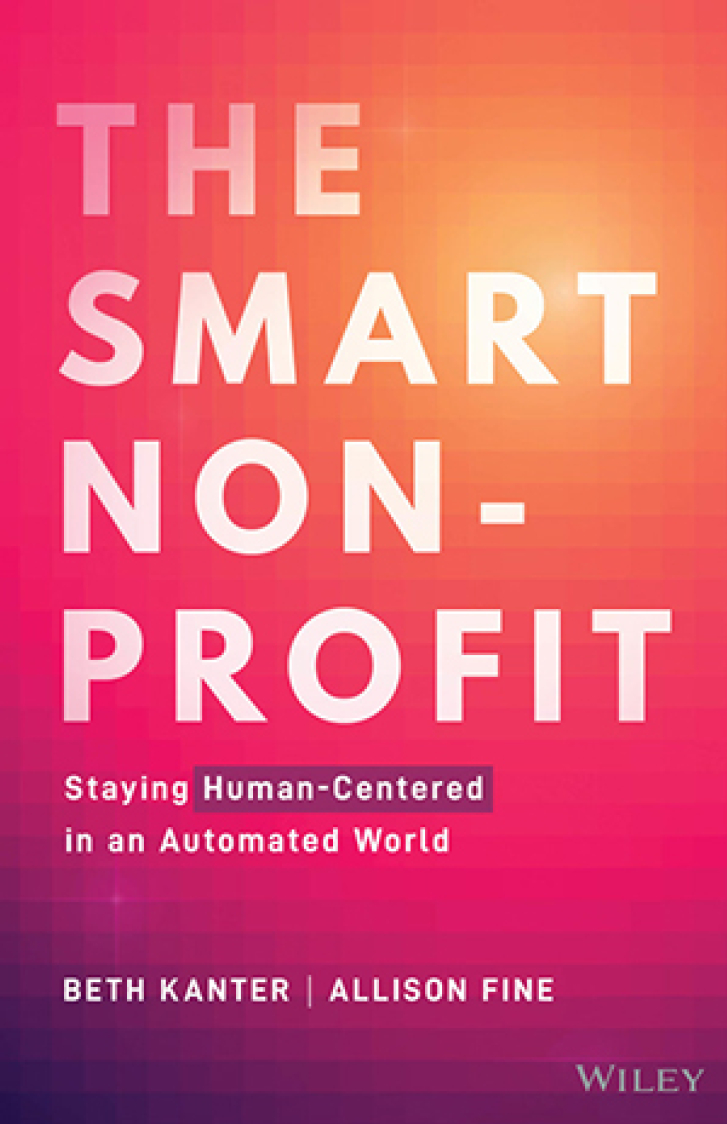
An excerpt from The Smart Nonprofit on using smart technology to prioritize people.

Collective impact initiatives have contributed to systems changes and improved the lives of many living in our communities. In the next decade, they must focus on equity, shifting imbalances of power, sustainability, and greater collaboration across initiatives to achieve even more lasting social change.

Tonya Allen of the McKnight Foundation and John Palfrey of the John D. and Catherine T. MacArthur Foundation discuss how they’re answering the global call for climate solutions that promote equity and protect vulnerable communities and encourage others in the philanthropic sector to act at this critical time. Produced in partnership with The Pew Charitable Trusts.

The movement to monetize corporate externalities is feasible, timely, and necessary.

Identifying harmful externalities in our food systems can make it possible to drive change in sectors as disparate as climate, public health, and poverty reduction.
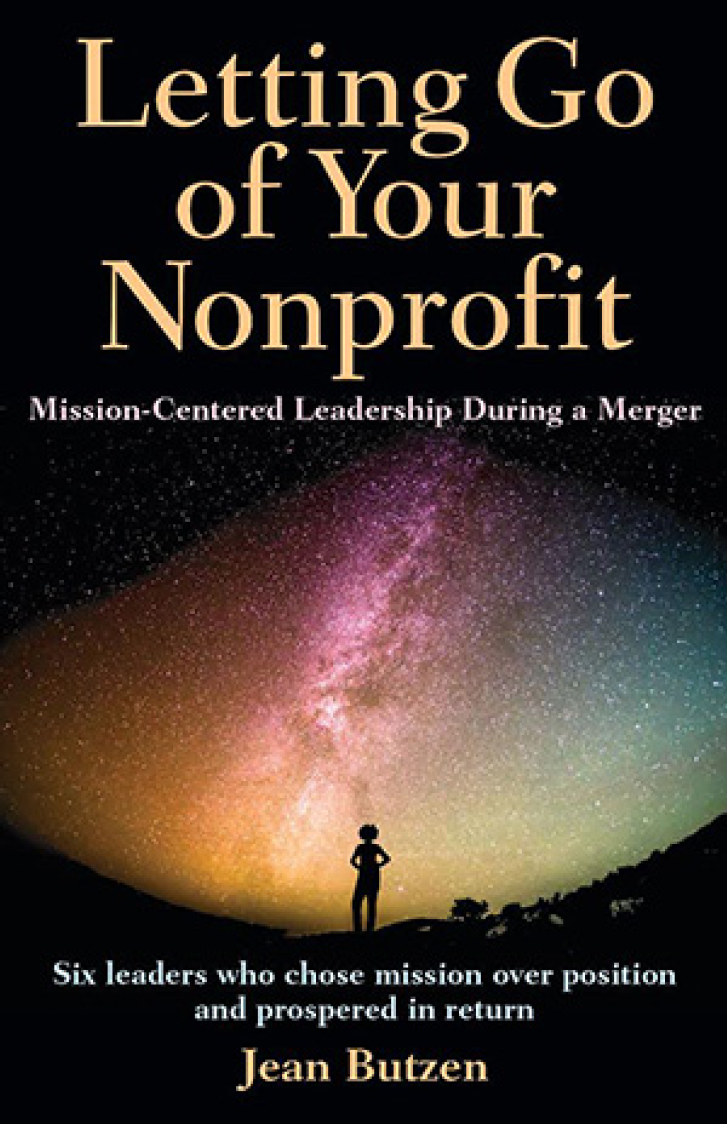
An excerpt from Letting Go of Your Nonprofit on the leadership patterns of mission-centered leaders.

Corporate, government, and civil society leaders can use the collective impact approach to address structural racism, restore communities, and design a multiracial democracy.

A year of working together in a cross-generational group has taught us how to bridge our divides—and leverage each other’s strengths in the climate fight.

A wave of big-bet grants has left some funders asking whether recipient organizations still “need” their money. That’s always the wrong question.

Leaders of the Aspen Institute Forum for Community Solutions’ Opportunity Youth Forum share lessons from a decade of work achieving better outcomes for young people.